










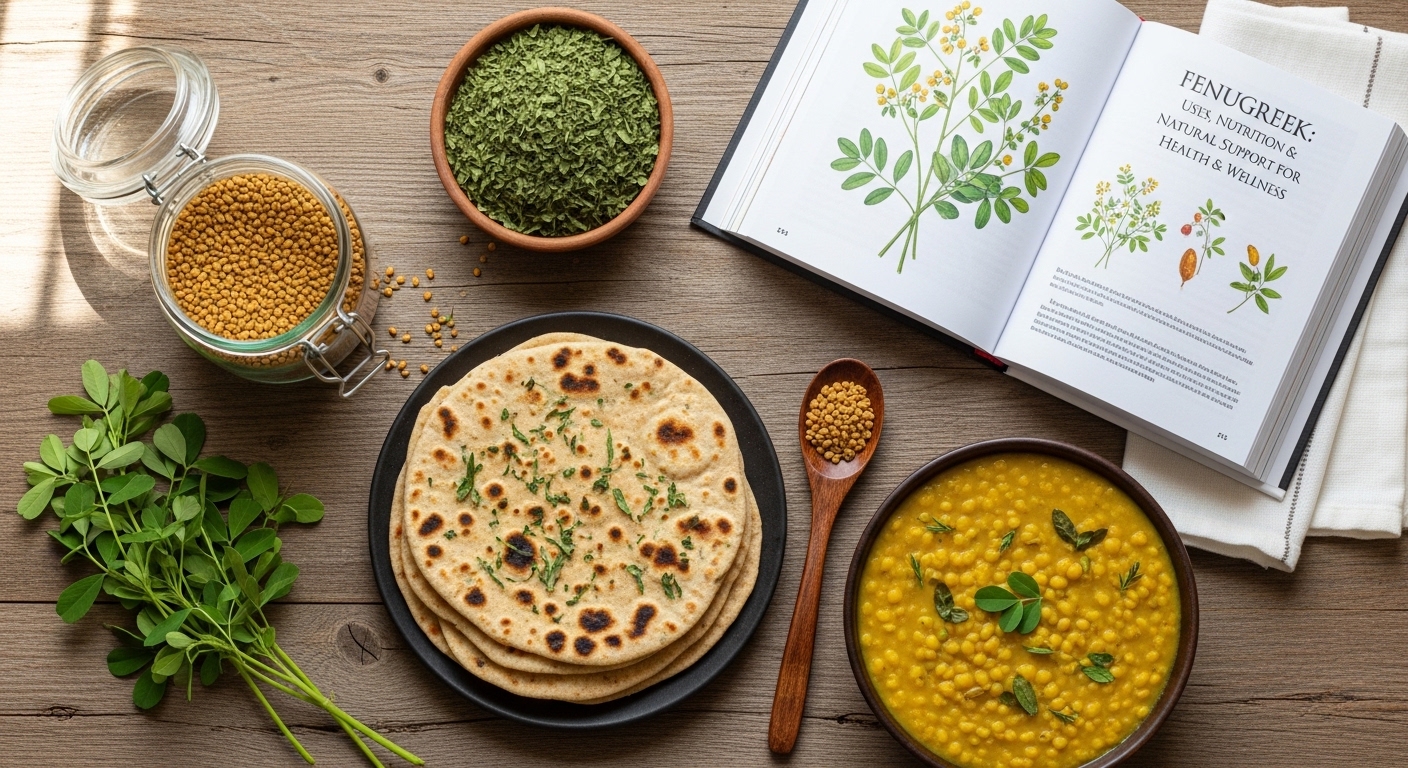
People value foenegriek as a well-known plant ingredient for its distinctive aroma, culinary versatility, and long-standing role in traditional practices. Cooks and herbal traditions across many regions have used foenegriek for centuries as both a spice and an herb. Its slightly bitter, nutty flavor makes it unique, while its natural composition has kept it relevant in both modern cooking and historical food customs. This article explores foenegriek in detail, focusing on its origins, uses, characteristics, and cultural importance.
Foenegriek as a plant ingredient in everyday life
Foenegriek comes from the seeds and leaves of a small annual plant belonging to the legume family. The seeds are typically golden-brown and hard, while the leaves are soft and aromatic. Both parts are used in various cuisines, either fresh, dried, or ground into powder.
As a plant-based ingredient, foenegriek stands out due to its strong flavor profile. It is often used in small amounts, as its taste can dominate a dish if overused. This intensity is part of what makes it valued by chefs and home cooks alike.
The historical origins of foenegriek
The history of foenegriek dates back thousands of years.Ancient civilizations cultivated it for culinary and domestic purposes and traded it widely because it was useful and had a long shelf life.
Historical records suggest that early agricultural societies used fenugreek and appreciated its adaptability to different climates. Over time, its use spread through trade routes, allowing it to become a familiar ingredient in many regional food traditions.
Foenegriek in global culinary traditions
Foenegriek plays a significant role in several global cuisines.South Asian cooking commonly uses it in spice blends, curries, and flatbreads. In Middle Eastern and Mediterranean regions, foenegriek appears in sauces, stews, and seasoning mixes.
Its ability to enhance flavor makes it especially useful in healthy vegetarian dishes, where it adds depth and richness. Cooks can roast, soak, or grind fenugreek to alter its taste and adapt it to different recipes.
Flavor profile and aroma of foenegriek
The flavor of foenegriek is complex and layered. It is often described as slightly bitter with nutty and maple-like undertones. When cooked, the bitterness softens, revealing a warm and savory character.
The aroma of foenegriek is equally distinctive. When heated, it releases a rich scent that enhances the overall sensory experience of a dish. This combination of taste and aroma explains why foenegriek remains a favorite spice in traditional and modern cooking.
Foenegriek seeds and leaves in cooking
Both the seeds and leaves of foenegriek are used in culinary applications. The seeds are more commonly used as a spice, either whole or ground. They are often dry-roasted to reduce bitterness before being added to recipes.
The leaves, sometimes used fresh or dried, provide a milder flavor. They are frequently added toward the end of cooking to preserve their aroma. This dual use makes foenegriek a versatile ingredient in the kitchen.
Foenegriek and traditional food practices
In many cultures, foenegriek is closely tied to traditional food practices. It is often associated with homemade meals, festive dishes, and seasonal cooking. Families pass down recipes that include foenegriek as a key ingredient, preserving culinary heritage.
These traditions highlight how fenugreek is more than just a spice. It represents continuity, cultural identity, and respect for natural ingredients that have stood the test of time.
Cultivation and harvesting of foenegriek
Foenegriek is relatively easy to cultivate, which contributes to its widespread availability. It grows well in moderate climates and does not require complex farming techniques. The plant matures quickly, allowing multiple harvests in a single growing season.
Harvesting fenugreek involves collecting the seeds once the pods dry and the leaves while they are still tender. Proper drying and storage are essential to maintain flavor and quality, especially for long-term use.
Foenegriek in modern kitchens
Modern kitchens continue to embrace foenegriek for its ability to enhance flavor naturally. Chefs experiment with it in fusion cuisine, combining traditional uses with contemporary techniques.
Fenugreek is also popular in plant-based cooking, where it helps replicate savory notes often associated with richer ingredients. Its adaptability allows it to fit into both classic recipes and innovative culinary creations.
Storage and handling of foenegriek
Proper storage is important to preserve the quality of foenegriek. Seeds should be kept in airtight containers away from light and moisture. When stored correctly, they can retain their flavor for long periods.
Ground fenugreek has a shorter shelf life and should be used more quickly. Leaves, whether fresh or dried, also benefit from careful storage to maintain their aroma. These practices ensure consistent results in cooking.
Foenegriek and sensory balance in recipes
Using foenegriek effectively requires attention to balance. Because of its strong flavor, it is often combined with other spices that complement its bitterness and warmth.
Cooks frequently pair fenugreek with cumin, coriander, and chili to create layered flavor profiles. This balance highlights the spice without overwhelming the dish, showcasing its complexity.
Cultural symbolism of foenegriek
In some cultures, fenugreek carries symbolic meaning beyond its culinary use. It may be associated with nourishment, hospitality, or seasonal traditions. These associations reinforce its role as a valued household ingredient.
Such symbolism reflects the deep connection between food and culture. Foenegriek serves as a reminder of how simple ingredients can hold lasting cultural significance.
Foenegriek in contemporary food awareness
As interest in traditional ingredients grows, fenugreek has gained renewed attention. Home cooks and food enthusiasts seek authentic flavors and natural ingredients, bringing fenugreek back into focus.
This renewed appreciation emphasizes sustainability and respect for traditional food knowledge. Fenugreek fits well into this movement due to its natural origin and long history of use.
Conclusion
Foenegriek remains a timeless ingredient valued for its distinctive flavor, versatility, and cultural importance. From ancient kitchens to modern culinary spaces, it continues to enrich dishes and traditions alike.
By understanding how fenugreek is grown, used, and appreciated, cooks can incorporate it thoughtfully into their recipes. Its enduring presence across cultures highlights its role as more than a spice, making fenugreek a meaningful part of global food heritage.