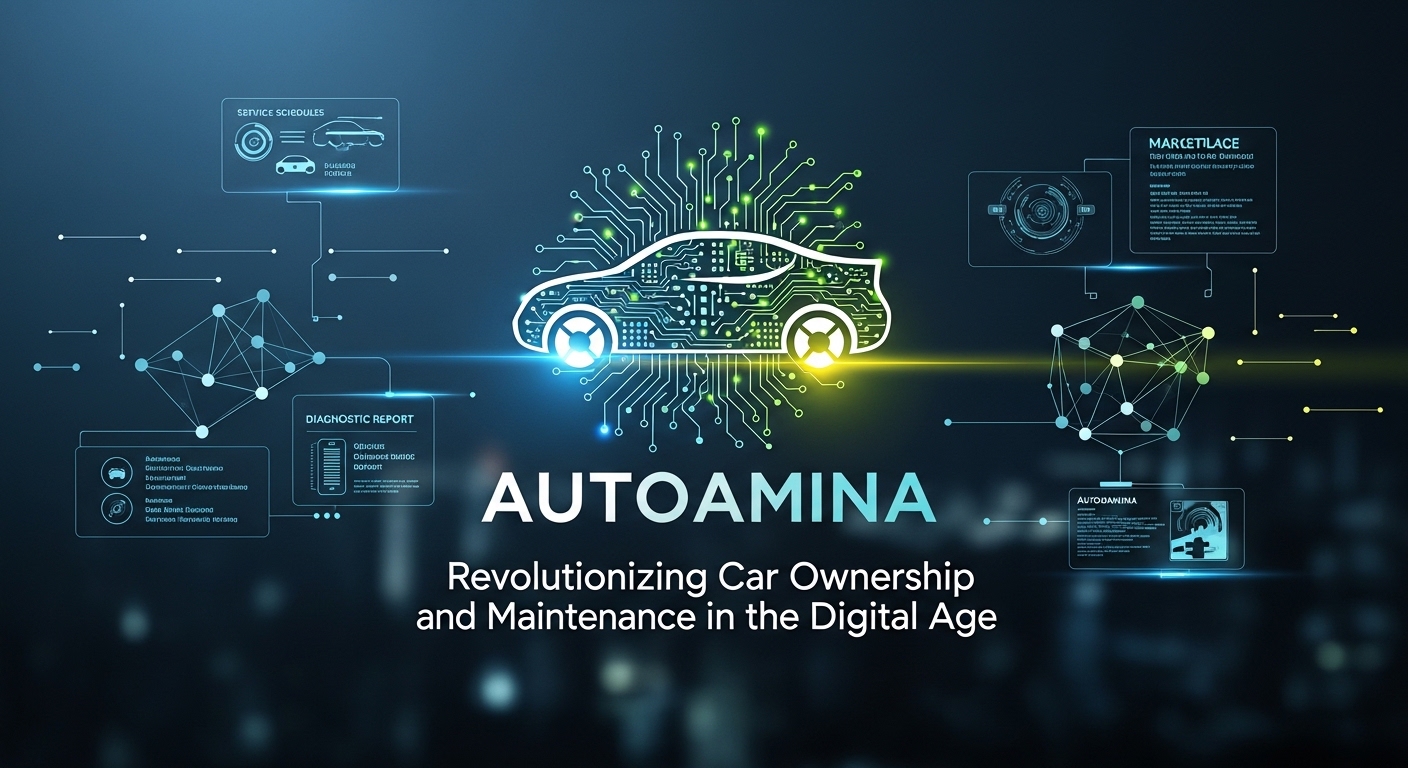










Autoamina is emerging as a powerful concept in the evolving world of automation and intelligent systems. As industries increasingly depend on smart technologies, autoamina represents a forward-looking approach that blends automation, adaptability, and intelligent decision-making. In a time when efficiency and scalability are essential, autoamina offers a framework that supports growth, innovation, and resilience across multiple sectors. This article explores it in depth, explaining its meaning, applications, benefits, challenges, and long-term potential in a rapidly transforming digital landscape.
Autoamina as a core concept
Autoamina can be described as an advanced approach to automation that emphasizes continuous improvement and intelligent responsiveness. Unlike traditional automation, which often follows fixed rules, it focuses on systems that can adapt, learn, and optimize over time.
At its core, it supports smarter workflows. It enables systems to analyze inputs, respond to changing conditions, and refine processes without constant human intervention. This makes autoamina especially relevant in complex and data-driven environments.
The origin and evolution of autoamina
The idea behind autoamina developed from the growing need for systems that do more than repeat tasks. As digital ecosystems became more complex, organizations sought solutions that could evolve alongside their operations.
Autoamina reflects this evolution. It represents a shift from static automation toward dynamic intelligence. Over time, the concept has expanded to include learning mechanisms, feedback loops, and adaptive strategies that support long-term efficiency.
Autoamina and intelligent automation
Intelligent automation is one of the strongest pillars of it. By combining automated processes with analytical capabilities, it allows systems to make informed decisions.
This approach reduces errors, improves accuracy, and enhances speed. Autoamina ensures that automation is not just fast but also thoughtful, enabling better outcomes across a wide range of applications.
Autoamina in business operations
In business environments, it supports streamlined operations and improved productivity. From supply chain coordination to customer service workflows, it helps organizations manage complexity efficiently.
By reducing manual intervention, businesses can focus on strategy and innovation. Autoamina enables scalable solutions that grow alongside organizational needs without excessive overhead.
Autoamina and data driven decision making
Data plays a central role in it. Systems built around it principles rely on continuous data analysis to guide actions and improvements.
This data-driven foundation ensures that decisions are based on real-time insights rather than assumptions. Autoamina transforms raw data into actionable intelligence, supporting smarter and more reliable outcomes.
Autoamina in technology development
Technology development benefits greatly from it. Software systems that incorporate it can self-monitor, detect inefficiencies, and adapt to user behavior.
This results in more resilient and user-friendly solutions. It supports innovation by allowing systems to evolve without constant redevelopment, saving time and resources.
Autoamina and workflow optimization
Workflow optimization is another key strength of it. By analyzing task sequences and performance metrics, it identifies bottlenecks and inefficiencies.
Once identified, systems can automatically adjust processes for better performance. This continuous optimization ensures that workflows remain efficient even as conditions change.
Autoamina and scalability advantages
Scalability is essential in modern systems, and it addresses this need effectively. As workloads increase, it enabled systems can adjust resources and processes accordingly.
This flexibility allows organizations to scale operations smoothly. Autoamina reduces the risks associated with rapid growth by maintaining stability and performance.
Autoamina in customer experience enhancement
Customer experience is increasingly influenced by intelligent systems. It supports personalized interactions by analyzing user behavior and preferences.
Through adaptive responses, it helps deliver consistent and relevant experiences. This personalization builds trust and satisfaction while reducing response times.
Autoamina and operational resilience
Operational resilience is the ability to withstand and recover from disruptions. It strengthens resilience by enabling systems to detect anomalies and respond proactively.
When issues arise, IT-driven systems can adjust operations or trigger corrective actions. This reduces downtime and ensures continuity in critical processes.
Autoamina in cross industry applications
Autoamina is not limited to a single industry. Its principles can be applied across sectors such as manufacturing, finance, healthcare, logistics, and education.
This versatility makes it a valuable framework for innovation. Organizations across industries can adapt the concept to meet their specific needs and challenges.
Autoamina and cost efficiency
Cost efficiency is a major benefit of it. By reducing manual effort and minimizing errors, organizations can lower operational costs.
It also supports better resource allocation. Systems can adjust usage based on demand, ensuring that resources are neither wasted nor overstretched.
Autoamina and continuous improvement culture
Autoamina promotes a culture of continuous improvement. Rather than settling for fixed performance levels, systems are designed to evolve.
This mindset encourages innovation and adaptability. It ensures that improvement is an ongoing process rather than a one-time initiative.
Challenges associated with autoamina adoption
Despite its benefits, adopting it can present challenges. One common issue is the complexity of implementation, especially in legacy systems.
Organizations may also face resistance to change. Successful IT adoption requires careful planning, training, and alignment with organizational goals.
Best practices for implementing autoamina
To implement it effectively, organizations should start with clear objectives. Identifying processes that benefit most from intelligent automation is essential.
Incremental deployment helps manage risk. Regular monitoring and evaluation ensure that it systems perform as intended and continue to deliver value.
Autoamina and ethical considerations
Ethical considerations are important when implementing intelligent systems. It must be designed with transparency, accountability, and fairness in mind.
Clear governance policies help ensure responsible use. Addressing ethical concerns builds trust and supports sustainable adoption of it technologies.
Autoamina and future technological trends
As technology continues to evolve, it is expected to play a growing role. Advances in analytics and adaptive systems will further enhance its capabilities.
Future developments may include more autonomous decision-making and deeper integration with digital ecosystems. It is positioned to remain relevant as innovation accelerates.
Autoamina as a strategic advantage
Organizations that embrace it gain a strategic advantage. The ability to adapt quickly and optimize continuously supports long-term competitiveness.
Autoamina enables proactive responses to change rather than reactive adjustments. This strategic flexibility is critical in fast-paced environments.
Autoamina and human collaboration
While it emphasizes automation, it does not eliminate human involvement. Instead, it supports collaboration between humans and intelligent systems.
By handling repetitive tasks, it frees individuals to focus on creativity, analysis, and leadership. This balance enhances overall performance.
The long term vision of autoamina
The long-term vision of it is centered on sustainable intelligence. Systems are designed not just to perform but to grow, learn, and adapt responsibly.
This vision aligns with the broader goals of digital transformation. Autoamina supports progress that is efficient, resilient, and human-centered.
Conclusion
Autoamina represents a meaningful shift in how automation and intelligence are applied in modern systems. By focusing on adaptability, data-driven decisions, and continuous improvement, it offers a powerful framework for innovation.
As organizations navigate increasing complexity, it provides tools to enhance efficiency, resilience, and scalability. Its growing relevance highlights the importance of intelligent automation in shaping the future of technology and operations.