










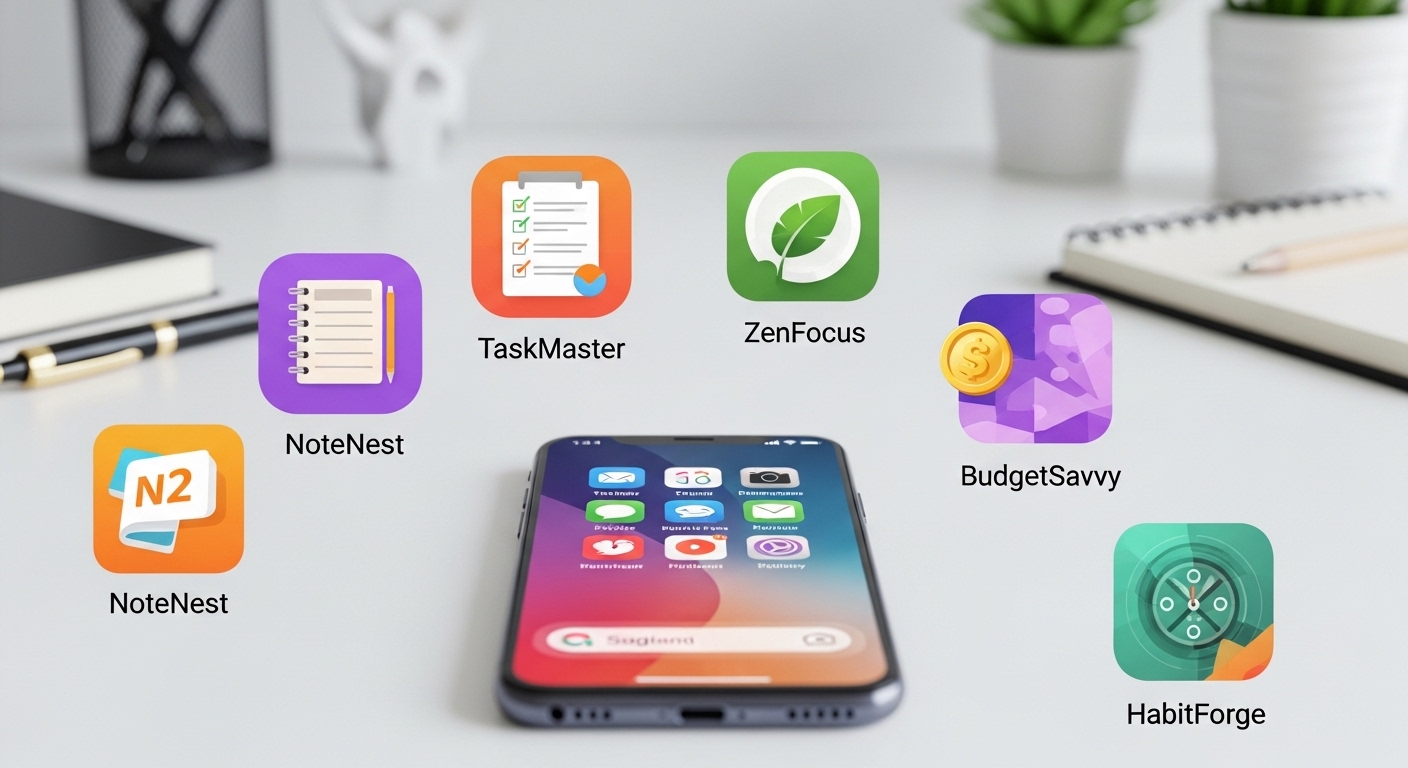
Managing time, tasks, and personal goals has become increasingly complex in a fast-paced digital world. This is where 5 apps designed for daily organization can make a meaningful difference. Instead of juggling notebooks, reminders, and mental notes, people now rely on smart applications to simplify routines and reduce stress. Using 5 apps thoughtfully can help individuals plan better, stay focused, and create balance between work and personal life. This article explores how 5 apps can transform daily organization, the key features to look for, and how to integrate them into a productive routine.
Why 5 apps are enough for daily routines
Many people believe they need dozens of tools to stay organized, but in reality, 5 apps are often more than enough. Limiting the number of tools helps avoid confusion and digital overload.
By choosing 5 apps with clear purposes, users can cover essential needs such as task management, scheduling, notes, communication, and wellness. This focused approach encourages consistency and makes daily routines easier to maintain.
How 5 apps support better time management
Time management is one of the biggest challenges in daily life, and 5 apps can provide structure and clarity. These tools help users visualize their day, prioritize tasks, and allocate time effectively.
Instead of reacting to tasks as they appear, individuals using 5 apps can plan ahead. This proactive approach reduces last-minute stress and improves overall productivity.
5 apps for task organization and clarity
Task organization is a core function of any productive system. Among the 5 apps chosen for daily use, at least one should focus on managing tasks clearly.
Such apps help break large goals into smaller steps, track progress, and provide reminders. When tasks are organized digitally, users gain a sense of control and accomplishment throughout the day.
Using 5 apps to build consistent routines
Consistency is key to building habits, and 5 apps can support this process effectively. Routine-focused apps help users establish regular schedules and reinforce positive behaviors.
By checking in daily with the same set of 5 apps, routines become familiar and easier to follow. Over time, this consistency leads to improved discipline and long-term success.
5 apps and goal setting strategies
Goal setting becomes more effective when supported by the right tools. Within the framework of 5 apps, goal-oriented features help users define objectives and track milestones.
Clear goals provide direction, while digital tracking offers motivation. Using 5 apps for goal management ensures that ambitions remain visible and actionable rather than abstract ideas.
5 apps for managing personal and work life balance
Balancing personal and professional responsibilities can be challenging. Thoughtfully selected 5 apps help separate and organize different aspects of life.
With clear boundaries and structured planning, users can allocate time for work, family, hobbies, and rest. This balance reduces burnout and supports overall well-being.
The role of 5 apps in reducing daily stress
Stress often comes from forgetting tasks or feeling overwhelmed. Using 5 apps to centralize information helps reduce mental clutter.
When reminders, notes, and schedules are stored in reliable apps, the brain is free to focus on execution rather than remembering details. This mental relief is one of the biggest benefits of using 5 apps daily.
5 apps and productivity mindset development
Productivity is not just about tools but also mindset. Regular interaction with 5 apps encourages intentional planning and reflection.
By reviewing progress and adjusting plans, users develop awareness of how they spend time. This reflection fosters a growth-oriented mindset that supports continuous improvement.
Choosing the right 5 apps for your needs
Selecting the right 5 apps is more important than following trends. Each app should serve a specific purpose without overlapping excessively with others.
When choosing 5 apps, users should consider ease of use, reliability, and compatibility with their lifestyle. Simplicity often leads to better long-term adoption.
5 apps and digital minimalism
Digital minimalism emphasizes using fewer tools more effectively. Adopting only 5 apps aligns perfectly with this philosophy.
Instead of constantly switching between platforms, users focus on mastering a small set of tools. This approach saves time and reduces digital fatigue while improving efficiency.
How 5 apps improve focus and concentration
Distractions are a major productivity barrier. Well-chosen 5 apps help streamline workflows and minimize unnecessary interruptions.
By organizing tasks and schedules in one system, users spend less time searching for information. This clarity supports deeper focus and higher-quality work.
5 apps in daily planning and reflection
Daily planning and reflection are essential habits for personal growth. Among the 5 apps, one should support planning the day ahead and reviewing achievements.
This practice helps identify patterns, strengths, and areas for improvement. Over time, using 5 apps for reflection leads to better self-awareness and decision-making.
5 apps and adaptability in changing routines
Life is unpredictable, and routines often need adjustment. The flexibility of 5 apps allows users to adapt plans quickly without losing structure.
Whether dealing with unexpected tasks or changing priorities, digital tools help reorganize schedules efficiently. This adaptability ensures continuity even during disruptions.
Challenges of relying on 5 apps daily
While 5 apps offer many benefits, challenges can arise if not used intentionally. Over-customization or excessive notifications may reduce effectiveness.
To avoid these issues, users should review app settings regularly. Keeping the focus on simplicity ensures that 5 apps remain helpful rather than overwhelming.
Best practices for integrating 5 apps into daily life
Successful integration of 5 apps requires routine and discipline. Setting specific times to check and update apps helps establish consistency.
Users should also review their app choices periodically. If an app no longer adds value, replacing it ensures that the system stays efficient and relevant.
5 apps and long-term productivity growth
Long-term productivity is built through sustainable habits. Using 5 apps consistently helps reinforce these habits over time.
As users become more comfortable with their tools, efficiency increases naturally. This steady growth leads to lasting improvements in personal and professional life.
The future role of 5 apps in daily organization
As technology evolves, apps will continue to offer smarter features. However, the principle of using 5 apps strategically is likely to remain relevant.
Rather than adopting every new tool, focusing on a core set supports clarity and control. This approach ensures that technology serves users rather than overwhelming them.
Conclusion
Using 5 apps smartly is a practical and effective way to organize daily routines. By limiting tools and focusing on essential functions, individuals can improve productivity, reduce stress, and maintain balance.
The key lies in intentional selection and consistent use. When integrated thoughtfully, 5 apps become powerful allies in managing time, goals, and everyday responsibilities.